Bicycles are a common way to commute, exercise, and enjoy Georgia’s roads and communities. However, cyclists often travel alongside much larger and faster vehicles, making it important for both bicyclists and drivers to understand the rules of the road.
Georgia law generally gives bicyclists many of the same rights and responsibilities as motorists. Knowing the laws governing bicycle travel, passing, equipment, and safety can help prevent accidents and may also become important when determining liability after a bicycle crash.
Are Bicycles Considered Vehicles in Georgia?
Under Georgia law, bicycles are generally treated as vehicles, and cyclists have many of the same rights and duties as drivers. This means bicyclists must obey traffic signals, stop signs, and other applicable traffic laws.
Cyclists should ride in the same direction as traffic rather than against it. They must also follow applicable right-of-way rules and signal when turning or stopping when it is safe and practical to do so.
These requirements help make cyclists’ movements more predictable to motorists, pedestrians, and other road users.
Where Are Bicyclists Supposed to Ride?
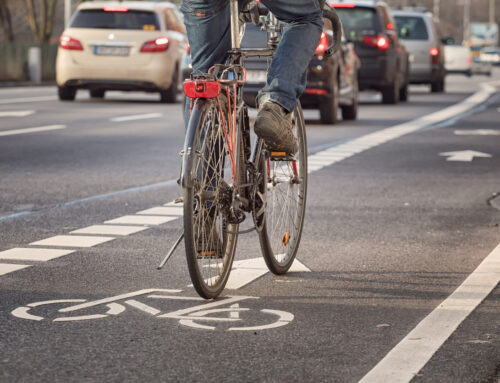
Georgia law generally requires cyclists traveling below the normal speed of traffic to ride as near to the right side of the roadway as practicable. However, bicyclists do not always have to remain at the extreme right edge.
A cyclist may need to move farther into the lane when:
- Avoiding parked or moving vehicles
- Passing another bicycle or vehicle
- Avoiding debris, potholes, animals, or other hazards
- Preparing to make a left turn
- Traveling in a lane that is too narrow to safely share with a motor vehicle
Cyclists may also use designated bicycle lanes where available. Drivers should remain alert for cyclists entering or leaving bike lanes to avoid obstacles or prepare for turns.
How Much Space Must Georgia Drivers Give Bicyclists?
Georgia law requires motorists to use caution when passing bicycles. A driver overtaking a bicycle generally must change lanes if conditions permit and maintain a safe distance until safely past the cyclist.
Georgia defines a safe distance as at least three feet. Drivers should also reduce their speed while passing as required by Georgia law.
This rule is particularly important because even a minor sideswipe can cause a cyclist to lose control and suffer serious injuries.
Does Georgia Require Bicycle Helmets?
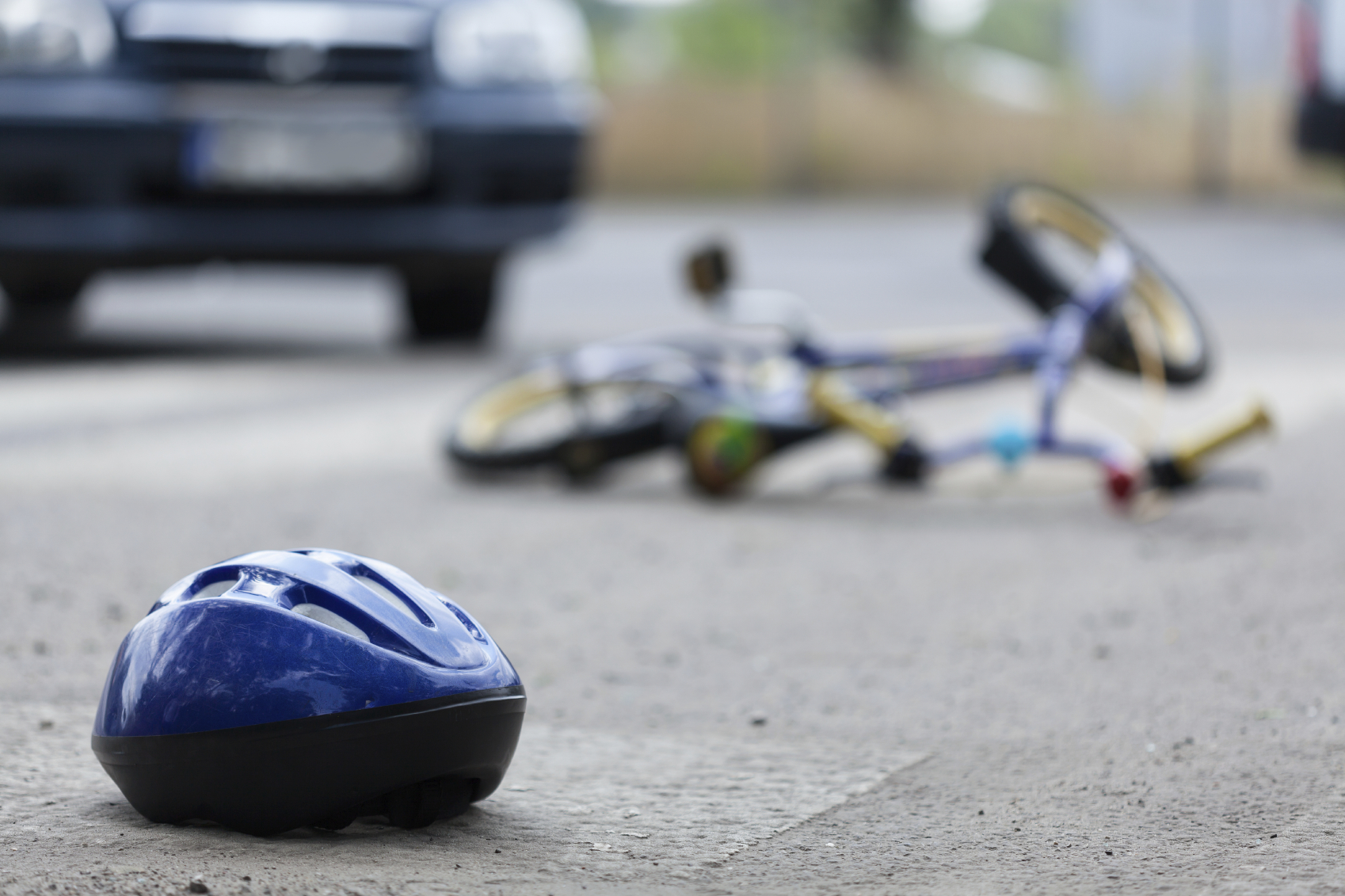
Georgia requires bicycle riders and passengers under age 16 to wear bicycle helmets that meet applicable safety standards. The helmet must be properly fitted and securely fastened.
Adults are not generally required by state law to wear helmets while riding bicycles. However, wearing one can reduce the risk of certain serious head injuries if an accident occurs.
Importantly, Georgia law provides that failing to wear a bicycle helmet cannot be used as evidence of negligence or liability in a civil action.
What Equipment Does a Bicycle Need?
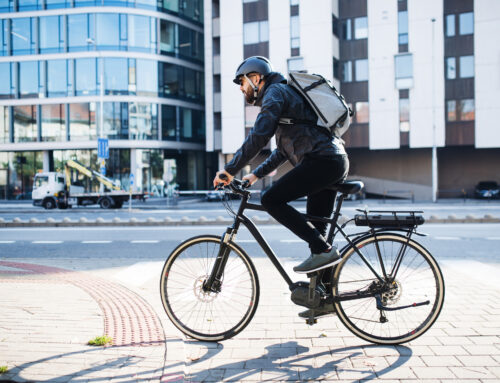
Cyclists riding at night must use appropriate lighting and reflective equipment to improve their visibility.
Georgia law generally requires a bicycle operated at night to have a white light on the front that is visible from at least 300 feet. A bicycle must also have an approved red reflector on the rear that is visible from 300 feet when directly in front of a motor vehicle’s headlights. A red rear light may also be used.
Bicycles must also be equipped with brakes capable of meeting requirements established under Georgia law.
Can a Bicyclist Be Partially Responsible for an Accident?
Yes. A bicyclist who violates a traffic law or otherwise acts negligently could share responsibility for an accident.
Georgia follows a modified comparative negligence system. An injured person who is less than 50% responsible may generally recover compensation, but their recovery can be reduced according to their percentage of fault. A person who is 50% or more responsible generally cannot recover damages from another party.
For example, if a cyclist is found 20% responsible for an accident, their compensation could generally be reduced by 20%.
What Should You Do After a Bicycle Accident in Georgia?
After a bicycle accident, seek medical attention and call law enforcement when appropriate. If you can safely do so, photograph the accident scene, bicycle, vehicle damage, road conditions, traffic signs, and visible injuries. Obtain the driver’s insurance information and contact information from witnesses.
Keep medical records, repair estimates, receipts, and other documents related to the accident. You should also be cautious about giving recorded statements or accepting an early insurance settlement before understanding the extent of your injuries and legal options.
If another driver caused your bicycle accident, a Georgia personal injury lawyer can investigate the crash, evaluate potential liability, and help you pursue compensation. Consider scheduling a free consultation to learn more about your rights after a bicycle accident.