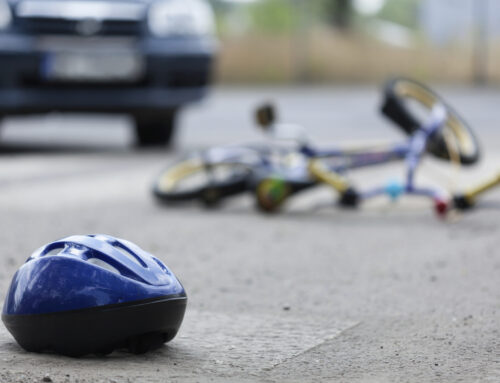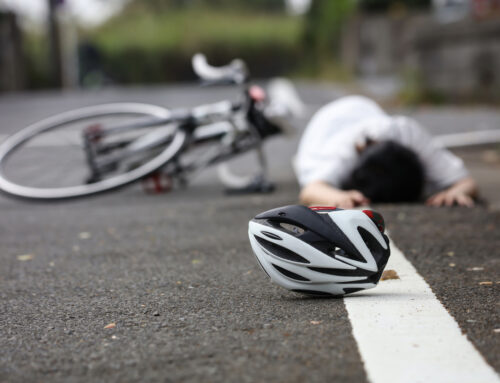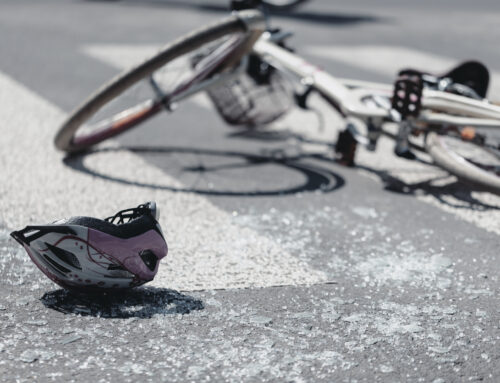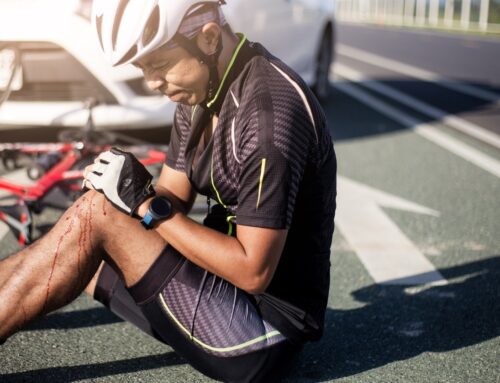
Albuquerque, New Mexico, is often seen as a great place for cyclists. With its scenic trails, favorable weather, and growing interest in biking for both transportation and recreation, more people are choosing to ride than ever before. However, alongside this increase in cycling has come a troubling trend—bicycle accidents are becoming a growing concern throughout the city.
More Cyclists, More Risk
As cycling becomes more popular in Albuquerque, the number of interactions between bicycles and motor vehicles has increased. More riders on the road can be a positive sign of a healthy, active community, but it also raises the risk of accidents—especially when infrastructure and driver awareness do not keep pace with demand.
Many of Albuquerque’s streets were designed primarily for cars, not bicycles. As a result, cyclists often find themselves sharing narrow lanes with fast-moving traffic, which can quickly become dangerous. Without a clear separation between vehicles and bikes, even a small mistake by a driver or cyclist can lead to serious consequences.
Infrastructure Gaps Create Dangerous Conditions
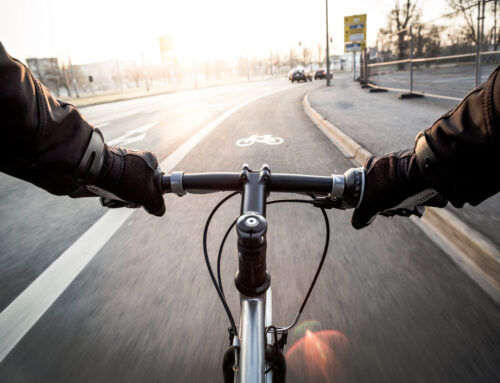
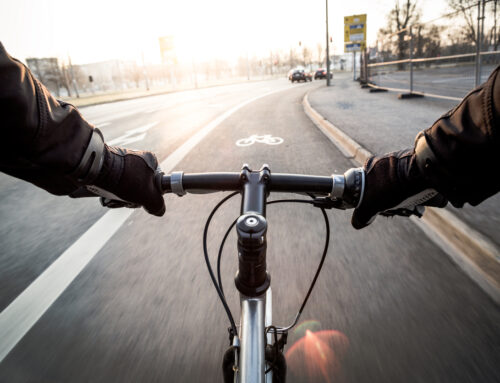
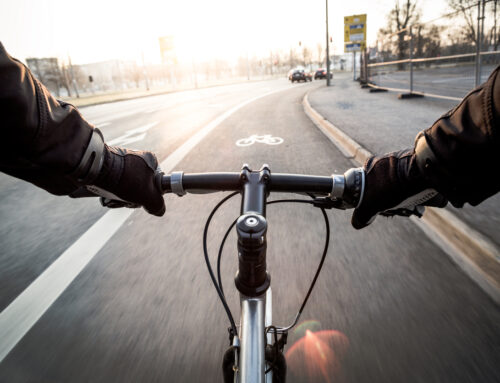
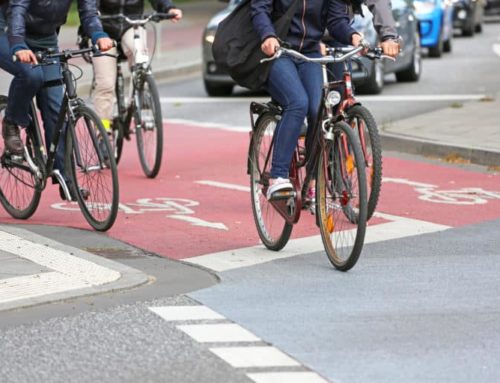
While Albuquerque does offer a network of trails and some bike lanes, these systems are not always connected or consistent. Cyclists may find themselves moving from a protected path onto a busy roadway with little warning. These gaps force riders to navigate traffic without adequate protection.
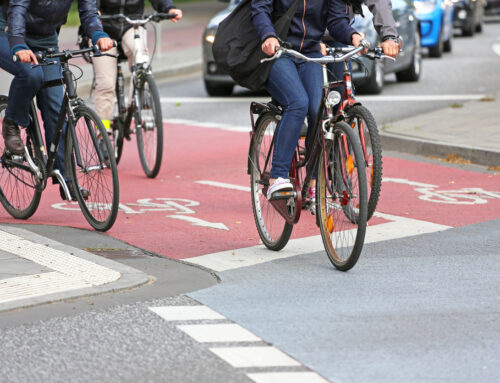
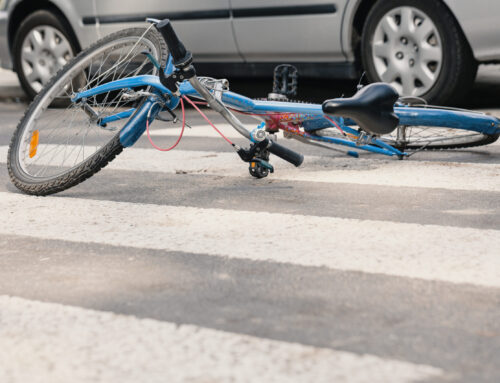
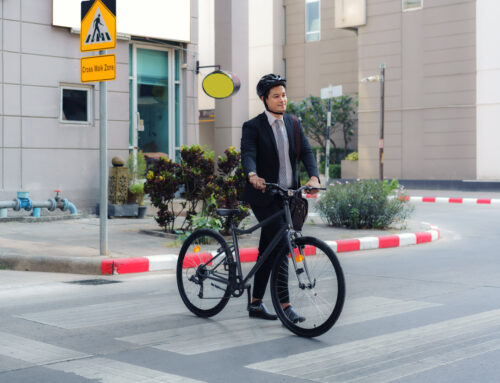
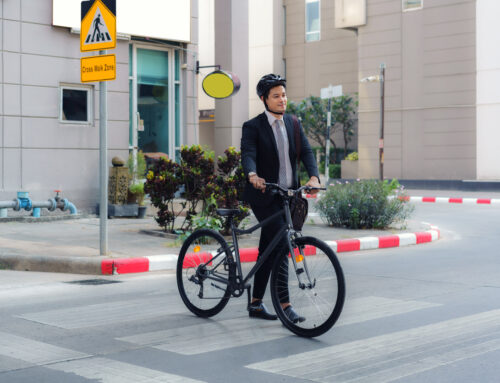
Intersections are particularly hazardous. Drivers making turns may not always look for cyclists, and unclear lane markings can create confusion about who has the right of way. Without a well-designed infrastructure that prioritizes safety, these everyday scenarios can quickly turn into accidents.
Driver Behavior Plays a Major Role
A significant factor contributing to bicycle accidents is driver behavior. Many crashes happen because motorists fail to properly account for cyclists or do not provide enough space when passing.
Common driver-related issues include:
- Distracted driving, such as texting or using in-vehicle technology
- Speeding, which reduces reaction time and increases crash severity
- Failure to yield, especially at intersections or when turning
- Unsafe passing, including not allowing adequate distance for cyclists
- Lack of awareness or experience sharing the road with bicycles
In many cases, drivers simply are not accustomed to watching for cyclists, particularly in busy or high-traffic areas. This unfamiliarity can lead to poor decisions behind the wheel, where even a brief lapse in attention can result in serious harm.
Visibility and Environmental Challenges
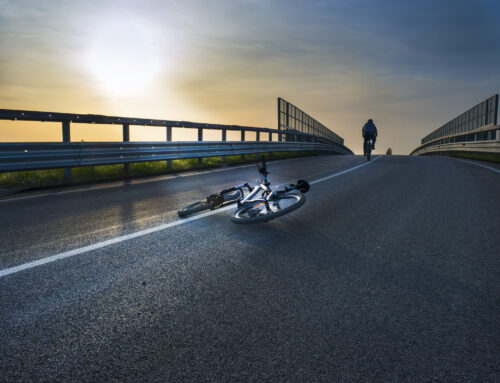
Albuquerque’s environment can also contribute to bicycle accidents. Bright sunlight, especially during early morning or late afternoon, can make it difficult for drivers to see cyclists clearly. Shadows, glare, and low-light conditions all reduce visibility and increase the chance of a collision.
Additionally, road conditions can pose hazards for cyclists. Uneven pavement, debris, and potholes may not affect cars as significantly, but they can cause a cyclist to lose control or swerve unexpectedly into traffic.
Busy Roads and Growing Traffic
As Albuquerque continues to grow, traffic congestion has become more common. More vehicles on the road mean more opportunities for conflicts between drivers and cyclists. In heavily traveled areas, cyclists may feel pressured to keep up with traffic or ride in less safe positions to avoid blocking vehicles.
This combination of increased traffic and limited space creates an environment where accidents are more likely to occur. Without dedicated bike lanes or traffic-calming measures, cyclists are often left vulnerable.
The Need for Greater Awareness and Safety Measures
Reducing bicycle accidents in Albuquerque will require a combination of improved infrastructure, better driver education, and increased awareness. Expanding protected bike lanes, maintaining safer road conditions, and promoting respect between drivers and cyclists are all essential steps.
Cyclists also play a role by following traffic laws, using proper safety gear, and making themselves as visible as possible. However, the responsibility cannot fall on riders alone. Creating safer streets requires a shared effort from city planners, drivers, and the community as a whole.
Building a Safer Future for Albuquerque Cyclists
Bicycling in Albuquerque offers many benefits, from improved health to reduced environmental impact. However, the rise in bicycle accidents highlights the need for meaningful changes. By addressing the factors that contribute to these crashes, Albuquerque can continue to grow as a bike-friendly city while keeping its residents safer on the road.