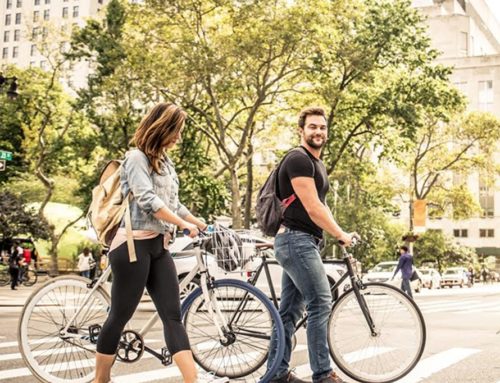

Boynton Beach’s sunny weather and pedestrian-friendly areas encourage people to walk and bike year-round. Unfortunately, the same conditions that make the city appealing can also increase the likelihood of accidents involving vehicles.
When a crash happens, injured individuals may suddenly face mounting expenses, time away from work, and lasting physical or emotional challenges. Knowing how these accidents happen—and what rights may apply—can make a meaningful difference in how someone moves forward.
This blog article is about the legal rights and next steps for bicyclists and pedestrians who have been injured in a bicycle accident with a vehicle in Boynton Beach, Florida, covering common causes, applicable laws, potential compensation, and the value of legal guidance.
Common Causes of Bicycle and Pedestrian Accidents
Collisions involving bicyclists and pedestrians are often linked to preventable driver behavior. Although both groups are legally permitted to use roadways, they are far more exposed than those inside vehicles.
Several recurring factors contribute to these incidents:
- Drivers distracted by phones, navigation systems, or passengers
- Failure to yield at intersections or marked crosswalks
- Excessive speed, especially in residential or mixed-use areas
- Impaired driving due to alcohol or drugs
- Limited visibility in low-light conditions
In some situations, external factors like poorly maintained roads or unclear signage may also play a role. Identifying the root cause is essential when determining who may be responsible.
Florida Laws Protecting Cyclists and Pedestrians
Florida law recognizes the rights of both bicyclists and pedestrians and imposes duties on drivers to help keep them safe. Cyclists are generally treated as vehicle operators, meaning they must follow traffic laws but are also entitled to share the road.
Motorists are required to exercise caution, including providing adequate space when passing a bicycle. Pedestrians, particularly those using designated crosswalks, are also afforded legal protections. Drivers must yield when someone is crossing lawfully.
Florida’s modified comparative fault system is another important factor. If more than one party contributed to an accident, responsibility may be divided. An injured person may still recover damages, though the total could be reduced based on their share of fault.
Common Injuries in Bicycle and Pedestrian Accidents
Without the protection of a vehicle frame, bicyclists and pedestrians are especially vulnerable during a crash. Even relatively minor collisions can lead to serious injuries.
Frequently reported injuries include:
- Head trauma, including traumatic brain injuries
- Damage to the spine or back
- Fractures and broken bones
- Internal injuries that may not be immediately visible
- Sprains, strains, and other soft tissue damage
These injuries often require ongoing care and may interfere with a person’s ability to work or maintain daily routines. Recovery timelines can vary widely depending on the severity of the harm.
What To Do After a Bicycle Accident in Boynton Beach
The moments following an accident can feel chaotic, but taking certain steps may help preserve both health and important information. Getting medical care should be the top priority, even if injuries seem minor at first. Some conditions take time to appear, and early documentation can be important later.
It is also helpful to contact law enforcement so that an official report can be created. This record can provide an objective account of what occurred. If possible, collecting evidence at the scene—such as photos, witness names, and insurance details—can also be valuable.
Finally, it is wise to avoid making statements about fault. Early assumptions may not reflect the full picture and could complicate matters later.
Understanding Your Right to Compensation
When an accident is caused by someone else’s actions, injured individuals may have the ability to pursue compensation. These claims generally focus on both financial losses and the broader impact of the injury.
Economic damages often cover measurable costs, such as:
- Medical treatment and hospital bills
- Lost income or reduced earning ability
- Rehabilitation or therapy expenses
- Anticipated future medical needs
Non-economic damages address more personal effects, including:
- Physical pain and discomfort
- Emotional strain
- Reduced quality of life
Each case is different, and outcomes often depend on the available evidence and the extent of the injuries involved.
Challenges in Bicycle and Pedestrian Accident Claims
Filing a claim after an accident can involve unexpected obstacles. Insurance companies may attempt to limit what they pay by disputing the severity of injuries or suggesting that the injured person shares responsibility.
For instance, a pedestrian might be accused of crossing outside a marked area, or a cyclist might be blamed for not following traffic rules. These arguments can affect how fault is assigned.
Building a strong claim often requires detailed evidence, including witness accounts, video footage, and expert analysis. Establishing a clear timeline of events is key to supporting a claim.
How Legal Guidance Can Help After a Bicycle Accident
The aftermath of an accident can be difficult to navigate alone. Having knowledgeable guidance can help clarify what steps to take and what options may be available.
This support may include reviewing the circumstances of the accident, gathering relevant evidence, and communicating with insurance companies. It can also involve assessing the full scope of losses, including long-term costs that may not be immediately obvious.
While every situation is unique, having a clear understanding of the process can help individuals make informed decisions as they move forward.
Moving Forward After a Bicycle or Pedestrian Accident in Boynton Beach
Bicyclists and pedestrians in Boynton Beach, Florida, encounter real risks when sharing the road with motor vehicles, but legal protections are in place to help address those risks. Understanding how accidents happen and what rights may apply can help individuals respond more confidently after an incident.
If you are dealing with the aftermath of a crash, taking time to explore your options and ask questions can help you better understand the path ahead and what steps may support your recovery.